Planning consult
Translate tomography, topography, clinical context, and surgical goals into a structured CAIRS planning discussion.
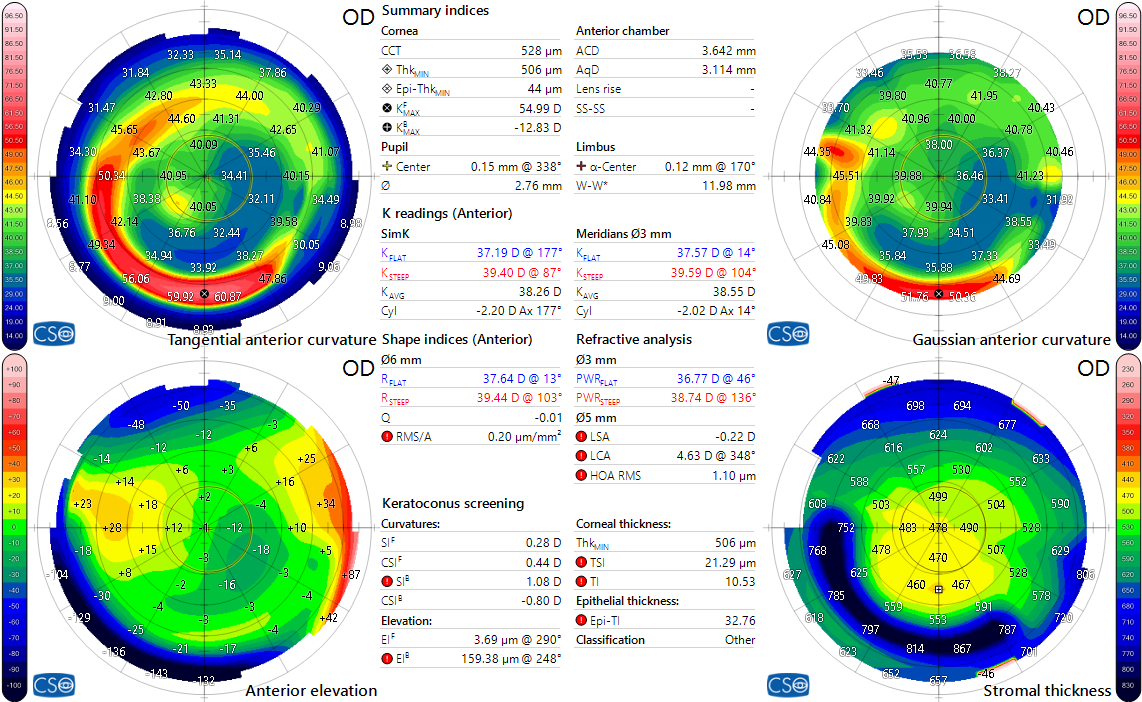
Physician-led planning support for corneal allogenic ring segment surgery, built by NeuralVision's team of ophthalmologists and engineers to connect imaging, expert review, and tissue pathways.
Clinical adoption of CAIRS is advancing, and every clinic begins from a different place: imaging exports, tissue access, femtosecond workflows, and familiarity with allogenic segment planning. CAIRS Consult makes those requirements explicit before the case moves forward.
Translate tomography, topography, clinical context, and surgical goals into a structured CAIRS planning discussion.
Start from MS-39, GALILEI/Galilei, Pentacam, or less common corneal imaging exports, with expert intake when the format is unfamiliar.
Coordinate planning around the donor-tissue or segment pathway available to the surgeon, clinic, and region.
Bring CAIRS surgical experience, tomography research, and clinical software engineering into the planning loop.
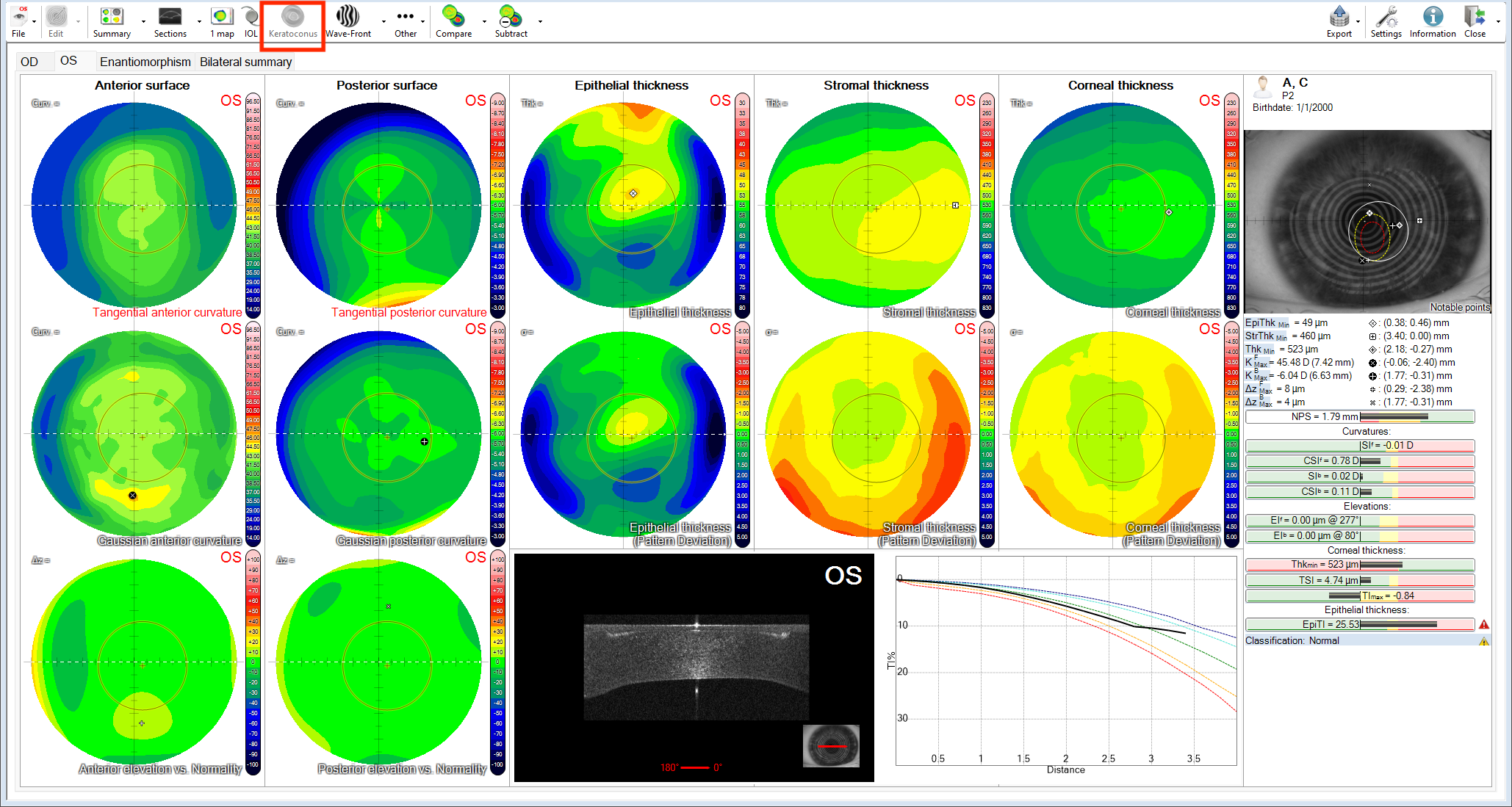
The consult is designed around the practical reality of corneal clinics. Send the available maps, measurements, and case goals from MS-39, GALILEI/Galilei, Pentacam, or another imaging system. When an export is nonstandard, our team identifies the data needed for a usable planning review.
CAIRS planning should be clinically interrogable, revisable, and aligned with the tissue route available to the practice. The consult keeps that reasoning visible.
Upload de-identified imaging, clinical measurements, prior procedures, and the surgical objective.
NeuralVision reviews the available data and prepares a planning discussion around segment strategy, constraints, and missing information.
When needed, the plan is matched to the ring or tissue pathway that can realistically be used by the clinic.
The surgeon retains final responsibility while using the consult as a documented decision-support layer.
Each consult returns a structured planning record with imaging-readiness notes, relevant clinical constraints, planning rationale, and tissue-pathway considerations for preoperative review.
A clear view of usable imaging, missing data, candidacy concerns, and the questions that should be resolved before planning proceeds.
A surgeon-readable discussion of the cone pattern, target regularization strategy, tissue constraints, and plan tradeoffs.
Guidance around the tissue route available to the clinic, including what must be confirmed locally before ordering or scheduling.
A practical path to revise the plan when the surgeon provides new imaging, different tissue availability, or a changed surgical goal.
NeuralVision's CAIRS work sits within a published surgical research program: comparative outcomes, segmental tomography, allogenic segment customization, tissue-handling techniques, and broader corneal imaging science. The service remains decision support for qualified physicians.
J Refract Surg, 2024
Single-segment comparative analysis of allogenic stromal tissue and PMMA intrastromal segments in corneal ectasia.
J Refract Surg, 2023
Comprehensive evaluation of visual, refractive, epithelial, stromal, and segment-level changes after CAIRS.
J Refract Surg, 2023
Technique paper describing patient-specific allogenic segment geometry for asymmetric cones and non-coinciding astigmatism-coma axes.
Cornea, 2023 / 2025
Technique refinement focused on segment dehydration, implantation handling, insertion efficiency, and tissue integrity.
CRSToday, 2023
Clinical framework placing CAIRS within staged cone debulking, corneal stabilization, and customized visual rehabilitation.
J Refract Surg, 2024
Broader corneal imaging work using objective OCT-based analysis in therapeutic keratoconus treatment.
Shady T. Awwad is a CAIRS pioneer whose work sits at the intersection of corneal surgery, tomography, and allogenic segment innovation. CAIRS Consult brings that experience to a procedure where planning quality, tissue constraints, and surgeon judgment all matter.
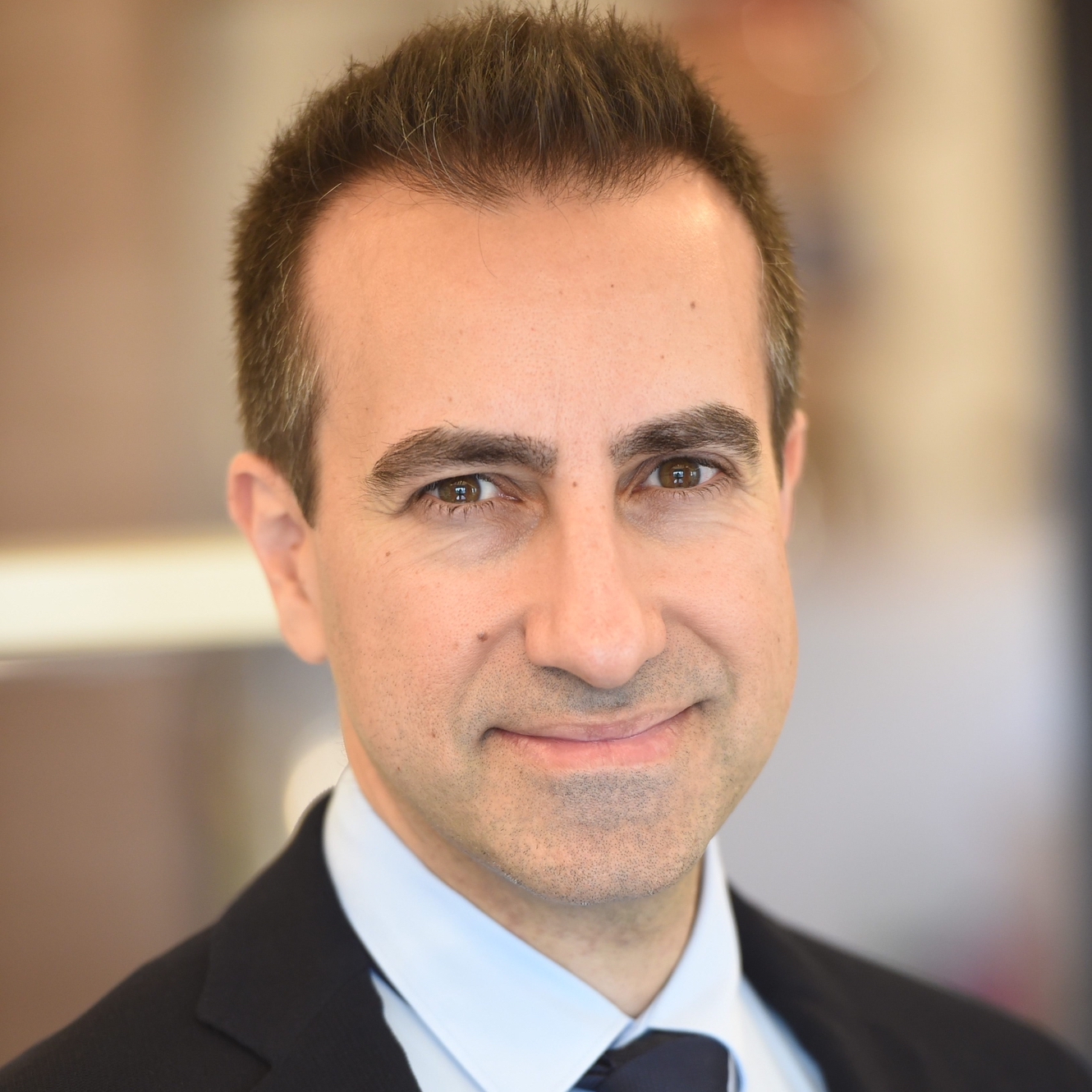
CAIRS pioneer and cornea/refractive surgery mentor
CAIRS Consult is built for professional use. It supports case preparation and planning discussion while leaving final medical and surgical decisions with the treating physician.
Yes. The page and service are designed for physicians who want expert planning support before adding CAIRS to their practice, while still respecting local training, tissue access, and surgeon responsibility.
No. CAIRS Consult is decision support for qualified ophthalmic surgeons. Final candidacy, surgical technique, tissue use, and patient counseling remain the responsibility of the treating surgeon.
The consult can focus on planning around your available tissue pathway. If the clinic does not have a tissue route yet, NeuralVision can help discuss options and constraints.
Start with the available imaging and clinical context. NeuralVision will help turn the case into a planning conversation your surgical team can review.